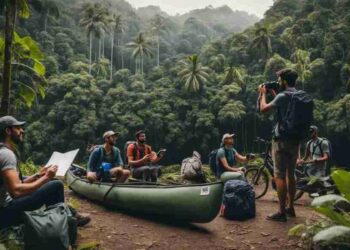
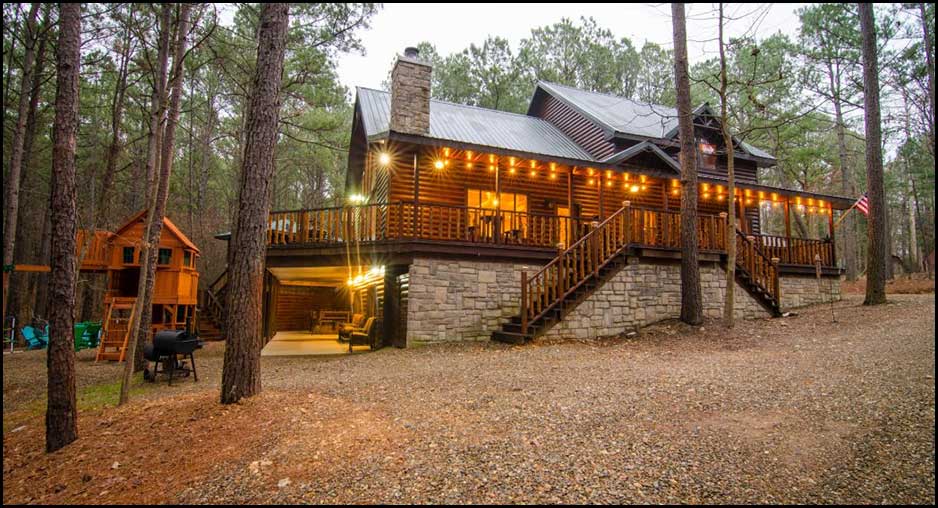
The travel landscape has undergone a dramatic transformation, driven by shifting consumer values and a growing desire for authentic, remote experiences. Across global search engines, one type of lodging is consistently breaking records and surpassing traditional hotel and resort bookings: Cabin Rentals. This surge is not a passing trend, but rather a fundamental recalibration of travel preferences, prioritizing privacy, connection with nature, independence, and emotional well-being. Cabins—symbols of simplicity and escape—have been enhanced with modern amenities, advanced technology, and the power of the sharing economy, making them a preferred choice for a new generation of travelers seeking refuge from hyper-connected and fast-paced urban environments.
This in-depth analysis examines the psychological and sociological drivers behind the booming demand for cabin rentals, examines the technological advancements that make booking and managing these unique properties easy, explores the profound economic and environmental impacts on remote and rural communities, examines the strategic challenges for property owners and managers, and foresees a future where unique and remote accommodations become the benchmark for premium, experiential travel worldwide.
The Psychology of Escape: Why Demand Is Exploding
The unprecedented surge in cabin rental searches is rooted in a deeper consumer desire for psychological restoration and reconnection, amplified by recent global events.
1. The Need for Seclusion and Privacy
The traditional hotel model, characterized by shared spaces, centralized services, and high foot traffic, stands in stark contrast to the cabin’s primary appeal.
- Control Over the Environment: Cabin guests gain complete control over their surroundings—from cooking meals to setting their own schedules—eliminating dependence on external services and reducing the social anxiety associated with crowded public spaces.
- Digital Detoxification: While modern cabins offer strong Wi-Fi, their natural setting—surrounded by nature—encourages travelers to consciously disconnect from professional pressures and social media, thus promoting a true mental break and reducing chronic stress.
- Enhanced Security and Safety: For many, the self-contained nature of cabins, often located on private land, is perceived as offering a higher level of security and cleanliness compared to large, multi-story hotels, making it appealing to health-conscious travelers.
2. Nature Immersion and Biophilia
The cabin serves as an ideal gateway to fulfilling the innate human need to connect with nature, a concept known as biophilia.
- Direct Access to Wilderness: Unlike hotels, which are often located in dense urban or resort areas, cabins are typically located near national parks, forests, lakes, or mountains, providing direct and unmediated access to hiking, fishing, and wildlife viewing.
- Sensory Restoration: Research shows that exposure to natural environments lowers cortisol levels and improves mood. Cabins, with their focus on natural light, wood materials, and panoramic views, maximize these restorative sensory experiences.
- Experiential Focus: The primary activities in a cabin setting often center on the location itself—campfires, stargazing, and local exploration—transforming the value proposition from simply a comfortable stay to a deeply meaningful, place-based experience.
Technological Advances Drive Ease of Booking
The massive surge in demand would not be sustainable without a technological infrastructure that simplifies the discovery, booking, and management of geographically dispersed properties.
1. The Aggregation and Search Revolution
Online Travel Agencies (OTAs) and specialized rental platforms have made finding the perfect remote getaway easier than ever.
- Advanced Filtering Capabilities: Major platforms (Airbnb, Vrbo, Booking.com) continue to enhance their search filters, allowing travelers to quickly narrow down properties based on key criteria like “entire home,” “pet-friendly,” “fireplace,” “secluded location,” and “high-speed Wi-Fi.”
- Visual Storytelling through Digital Media: Property owners leverage high-resolution photography, drone footage, and virtual tours to showcase the unique aesthetics and environments of their cabins, directly appealing to the modern traveler’s emotionally driven booking preferences.
- AI-Powered Recommendation Engines: Advanced algorithms analyze user search behavior, past bookings, and stated preferences to display highly relevant, often unique, cabin listings, encouraging spontaneous bookings and increasing conversion rates.
2. Technology and Operational Management
Technology has solved many of the logistical challenges associated with managing remote properties.
- Smart Home Integration: Modern cabins are equipped with smart locks, remote climate control, and digital check-in/check-out. These tools allow property managers to seamlessly manage operations without having to be physically present, ensuring a smooth and secure guest experience.
- Dynamic Pricing Software: Specialized revenue management software helps cabin owners utilize dynamic pricing strategies, adjusting rates based on real-time demand, local events, seasonality, and competitor pricing. This maximizes occupancy and revenue while professionalizing the rental process.
- Keyless Access and Security: Smart key technology allows guests to receive time-sensitive temporary access codes, eliminating the need for physical key exchanges, enhancing security and convenience for late-night arrivals.
Economic and Social Impacts on Rural Communities
The rise of the cabin rental economy has profound dual implications for the rural and remote communities that host these properties.
1. Revitalization and Diversification
An influx of tourism revenue can breathe new life into struggling rural economies that previously lacked a reliable industry.
- Increased Local Spending: Cabin guests typically cook for themselves and often stay longer than hotel guests. They spend significantly at local grocery stores, specialty shops, farmers markets, and gas stations, creating a positive economic multiplier effect that spreads.
- Job Creation in Ancillary Services: Demand creates new, non-traditional job opportunities, including property management, specialty cleaning services, maintenance, snow removal, and personalized local experiences (e.g., guided hikes, fishing charters).
- Infrastructure Investment: Increased tourism revenue incentivizes local governments to invest in critical infrastructure improvements, such as road maintenance, improved cellular service, and, most importantly, reliable high-speed internet access in remote areas.
2. Community Challenges and Friction
A rapid influx of investment and tourism can strain local resources and disrupt the housing market.
- Displacement of Affordable Housing: The most significant challenge is the conversion of long-term residential properties to short-term rentals. This investment trend reduces the available housing stock for workers and local residents, increasing the cost of long-term rentals and exacerbating the affordable housing crisis in rural areas.
- Burden on Public Resources: High visitor numbers can strain local infrastructure, including waste management, water supply, and emergency services (police and fire departments) that cater to smaller populations.
- Erosion of Local Authenticity: Overtourism, even dispersed among cabins, risks commercializing natural sites, altering the character of the community, and leading to congestion on trails and waterways, diminishing the very solitude that travelers seek in the first place.
The Strategic Imperative for Property Owners
To capitalize on this massive demand, property owners must adopt a professional, differentiation-focused, and sustainable operational strategy.
1. Hyper-Differentiation and Niche Targeting
The market is saturated, requiring owners to focus on unique features and highly specific traveler niches.
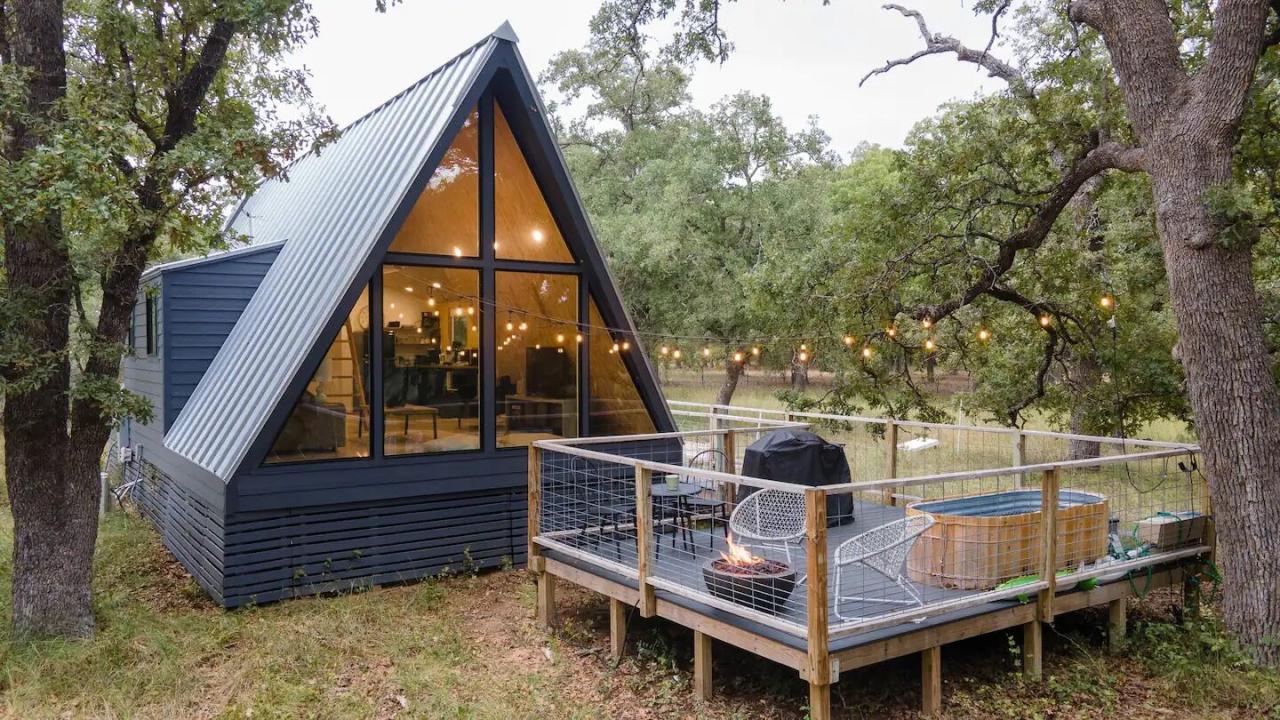
- Architectural Distinction: Investing in unique or eco-conscious designs (e.g., A-frames, tiny homes, passive houses) attracts higher price points and better media coverage than standard log cabins. The property itself becomes a destination.
- Wellness and Specific Amenities: Targeting niches such as digital nomads (dedicated workspaces, redundant Wi-Fi), wellness retreats (sauna, hot tub, yoga space), or specialized hobbyists (e.g., dedicated gear storage for skiers or fishermen) commands premium rates.
- Branding and Marketing: Moving beyond simple listing platforms to develop a cohesive brand identity, a dedicated website, and a strong social media presence to cultivate direct bookings, thereby reducing costly commission fees to OTAs.
2. Sustainability and Responsible Management
As travelers become more eco-conscious, verifiable sustainability practices are transforming from a niche feature into a market necessity.
- Energy and Water Conservation: Implementing visible sustainability features such as solar panels, composting toilets, high-efficiency appliances, and water recycling systems. Transparency about these features appeals directly to the environmentally conscious consumer.
- Local Integration and Experience: Curating local guides and promoting ethical local businesses. Offering guests opportunities to engage with the community (e.g., farm tours, local craft workshops) enhances the authenticity of the stay.
- Compliance with Local Regulations: Proactively ensuring strict compliance with local zoning, short-term rental permits, and taxation rules is critical for responsible operation and minimizing friction with the host community.
 The Future of Lodging: Cabin Rental Ecosystems
The sustained demand indicates that cabin rentals are cementing their position as a permanent fixture in the lodging market, evolving into sophisticated, managed ecosystems.
1. Modular and Prefabricated Cabin Solutions
The speed and precision of factory-built construction are being leveraged to meet the explosion in demand for unique rental units.
- Rapid Deployment: Modular construction allows developers to quickly deploy high-quality, architecturally significant cabins in remote areas, significantly shortening time to market and capital expenditures.
- Scalable Design: Standardized manufacturing processes enable the creation of multi-unit rental communities (glamping sites, eco-villages) with consistent quality and efficient management systems.
- Customization at Scale: New manufacturing techniques enable a high degree of customization within a standard framework, providing unique aesthetic elements without sacrificing the economies of scale that drive affordability.
2. Highly Personalized Guest Experience
The integration of AI and advanced data will elevate the cabin stay to a truly customized experience.
- AI Concierge Services: Digital assistants will move beyond answering basic questions to proactively suggest personalized itineraries, book local tours, and manage smart home functions based on learned guest preferences (e.g., automatically lighting a campfire at sunset).
- Predictive Replenishment: The inventory system will automatically track consumables (coffee, firewood, toiletries) and set up contactless predictive replenishment, ensuring guests never experience a disruption in service.
- Immersive Digital Check-in: Guests will use an augmented reality (AR) app to navigate the property, access instructional videos for unique amenities (e.g., operating the wood-fired hot tub), and receive contextual information about the local ecosystem.
 Conclusion
Cabin rentals have transcended their status as a pandemic-era anomaly to become a definitive and enduring trend in global travel. The strong demand is a clear indicator that modern travelers prioritize privacy, emotional rejuvenation, and an authentic connection with nature over the centralized luxury of traditional hotels. Driven by advanced booking technology and a self-service model, the cabin economy has opened up economic opportunities for rural areas while also fueling discussions about responsible tourism and its impact on communities.
For investors and property managers, the future lies in professionalizing the ownership experience, embracing sustainability, and delivering high-quality, highly personalized products that fulfill consumers’ deep desire to escape, recharge, and reconnect with the simple luxury of solitude. Tranquil retreats are now, without a doubt, the most sought-after destinations.