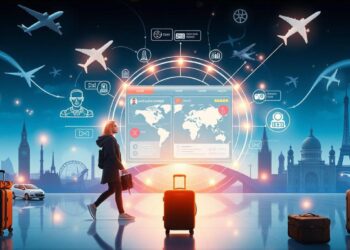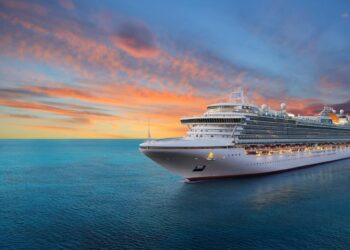
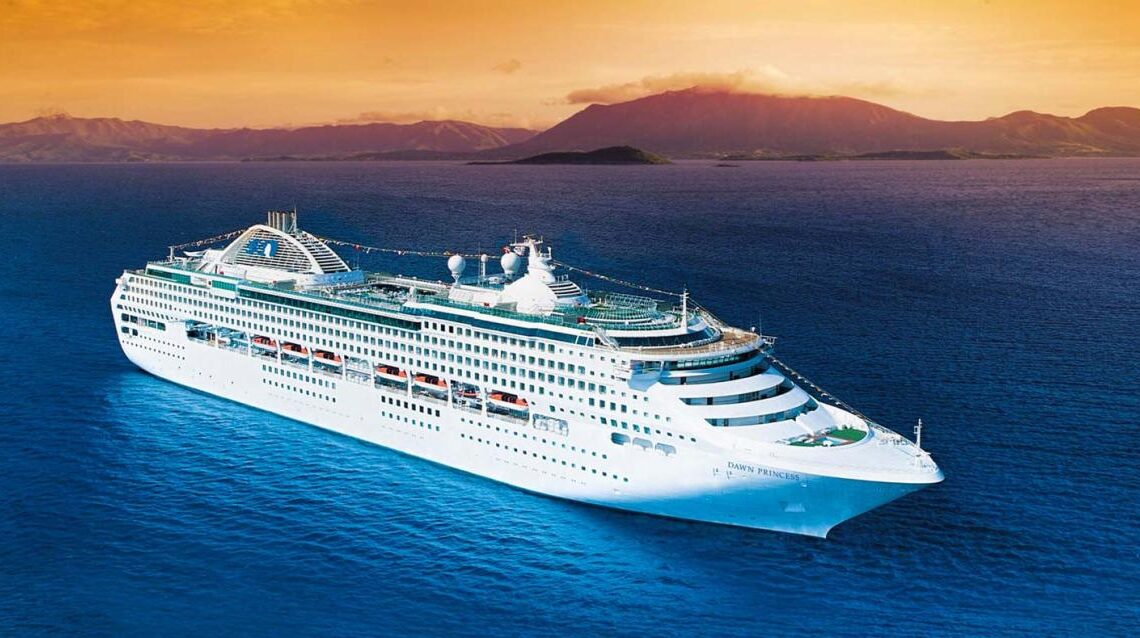
The global tourism landscape is witnessing a seismic shift in consumer preferences, with luxury cruise bookings experiencing a record-breaking boom. This phenomenon is not simply a recovery from previous industry challenges, but a fundamental recalibration of demand for high-end travel. Today’s luxury cruise experiences transcend traditional models, leveraging cutting-edge naval architecture, hyper-personalized service driven by artificial intelligence, and a deep commitment to remote, destination-rich itineraries.
Modern luxury ships are less like ships and more like floating hotels or private cruises, offering an unparalleled blend of comfort, exclusivity, and immersive global exploration. This rapid market expansion signals that the luxury cruise sector has become the definitive benchmark for premium, all-inclusive, and worry-free travel in the 21st century.
This in-depth analysis will delve into the deep psychological and economic drivers driving this demand, dissect the revolutionary designs and technological advancements redefining the luxury onboard experience, examine the industry’s significant focus on sustainability and environmental stewardship, explore the evolving demographics of luxury cruise passengers, and foresee a future where exclusive experiences on small ships become the gold standard for global travel.
Psychological and Economic Drivers of Bookings
The record surge in luxury cruise bookings is driven by the prosperity of the post-pandemic travel market and a deep psychological desire for comfort, security, and exclusivity.
1. The Quest for Comprehensive Simplicity
Luxury cruises offer an all-in-one solution that directly addresses the fatigue associated with managing complex, multi-destination land vacations.
- Complete Financial Predictability: Luxury fares typically include flights, transfers, unlimited fine dining, premium beverages, gratuities, and even shore excursions. This financial transparency eliminates the stress of budgeting, a significant value proposition for affluent travelers seeking simplicity.
- Logistical Ease of Multi-Destination Travel: Ships serve as stable, five-star floating bases that easily transport travelers between often-difficult-to-reach destinations (e.g., remote Arctic fjords, multiple Mediterranean islands) without the repetitive hassle of packing, checking in, and navigating airport security.
- Boasting Security and Safety: Modern luxury ships offer controlled environments with advanced health protocols and safety measures. This is particularly appealing to high-net-worth individuals who prioritize a safe and private travel experience in an increasingly anonymous world.
2. Changing Demographics and the New Cruise Market
The luxury cruise passenger profile is expanding beyond traditional retirement to include a younger, experience-focused clientele.
- Affluent Families and Multi-Generational Travel: New ship designs incorporate larger, multi-room suites and dedicated kids’ clubs, making them ideal for multi-generational travel. Cruises allow families to gather together while offering separate, age-appropriate activities and dining options.
- ‘Work-from-Ship’ Nomads: Robust satellite internet and dedicated business amenities are attracting a new segment of high-life digital nomads seeking luxury, sustainable travel, and the reassurance of a luxurious office environment while exploring the world.
- Demand for Expedition Cruises: The huge surge in demand for Expedition Cruises (to Antarctica, Galapagos, Arctic) is attracting young, adventurous travelers who value educational content and once-in-a-lifetime, remote experiences over traditional sun-and-sand itineraries.
Architectural and Technological Revolutions on Board
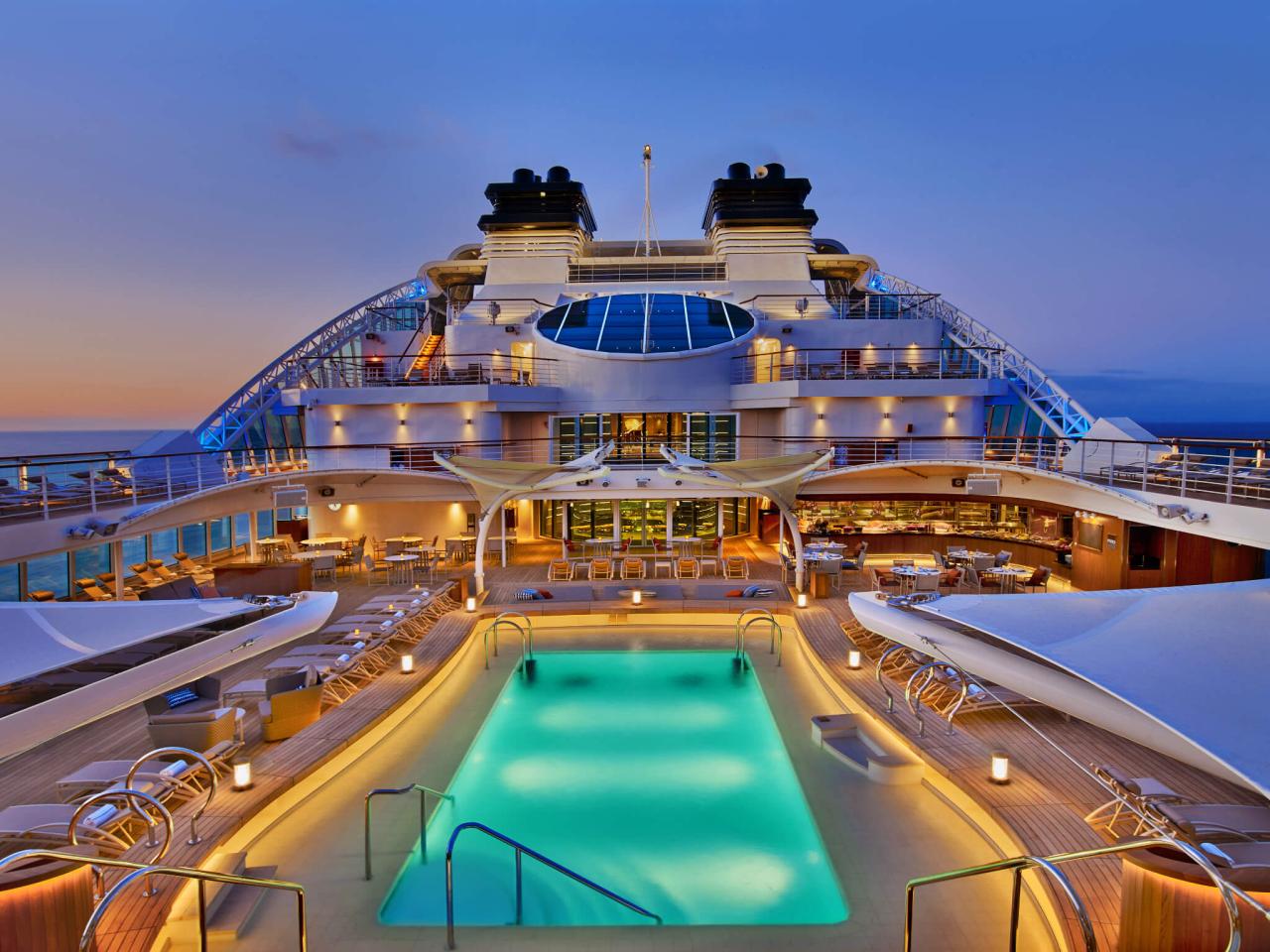
Today’s luxury ships aren’t just bigger; they’re engineering marvels that utilize advanced technology and architectural design to deliver a truly personalized luxury experience.
1. Redefining Ship Design and Space
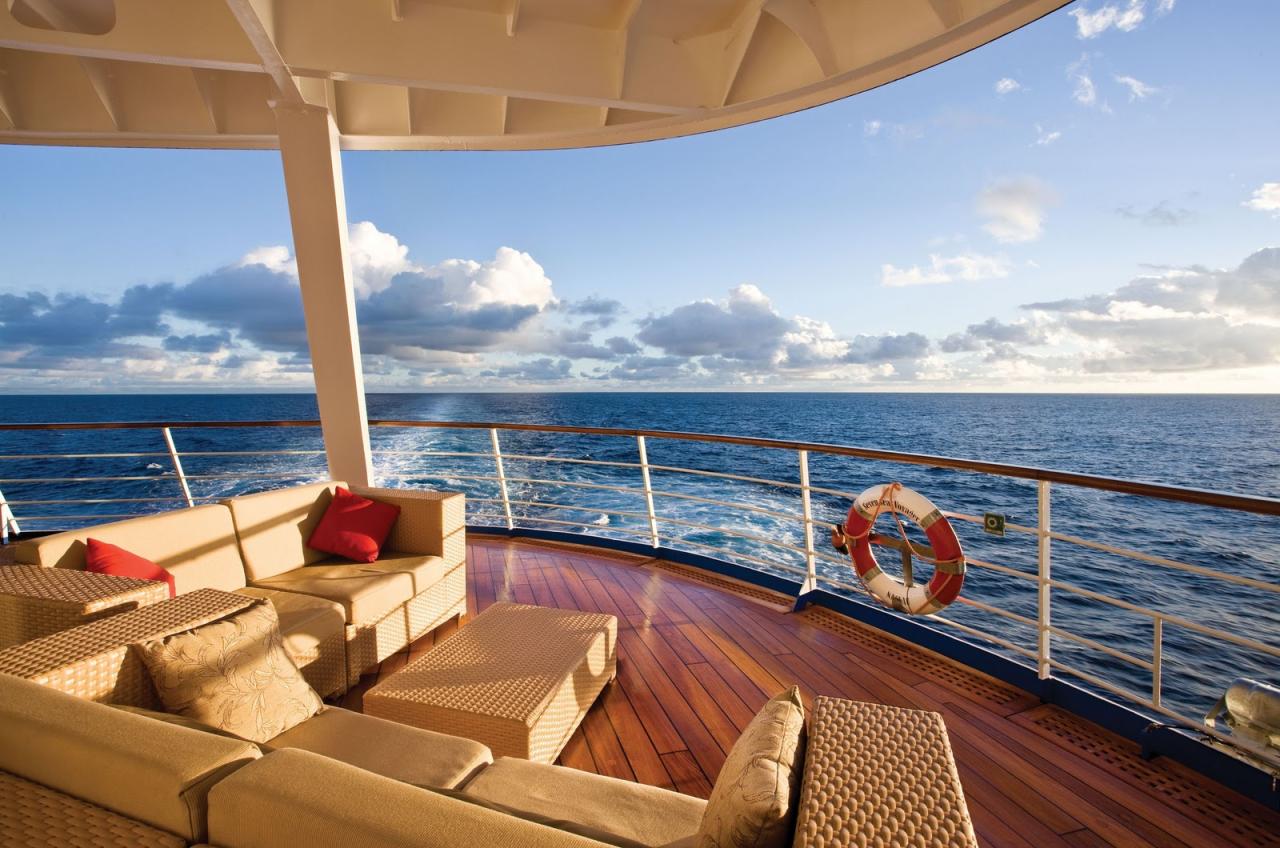
New luxury ships are designed with a focus on intimacy, space per passenger, and high-quality materials, resembling private enclaves.
- Small Ship Intimacy: The most successful luxury carriers operate small- to mid-sized ships (typically carrying 200 to 1,000 guests). This ratio ensures faster port turnarounds, access to smaller, more exclusive ports (those not accessible to larger ships), and a higher crew-to-guest ratio for unparalleled service.
- Full Suite, Balcony Only Design: Record-breaking luxury is characterized by the elimination of interior cabins. New builds are almost entirely full suites with balconies, ensuring every guest has a direct ocean view, significantly enhancing the sense of privacy and space.
- Ultra-Luxurious Materials: Interiors mimic luxury residential designs, utilizing custom woodwork, natural stone, silk carpets, and curated art collections, moving away from standard commercial aesthetics toward sophisticated, custom-made elegance.
2. Personalization Driven by AI and IoT
Service quality is enhanced through intelligent systems that anticipate and cater to individual guest preferences before they are even requested.
- Digital Concierge and Personalization Systems: Guest preferences (e.g., pillow type, preferred alcohol brand, dietary restrictions, favorite meal times) are recorded and managed by a centralized AI system. This data enables staff to offer proactive service—favorite drinks will appear upon guest arrival at the bar—setting a new standard for personalized attention.
- IoT Cabin Integration: Cabins are integrated with Internet of Things (IoT) sensors and controls, allowing lighting, temperature, drapes, and entertainment to be managed through personal tablets or even voice commands, instantly customizing the environment.
- Facial Recognition and Seamless Service Flow: Some luxury airlines use non-intrusive facial recognition to instantly identify guests. This allows the crew to greet guests by name and learn their preferences directly, making every interaction feel personal and easy.
Sustainability and Expeditions: An Ethical Mandate
The luxury goods market is increasingly driven by ethical considerations, forcing companies to invest heavily in sustainable operations and environmentally sensitive exploration.
1. Decarbonization and Adoption of Clean Energy
The industry is setting records for investment in low-emission, future-proof propulsion systems to protect the pristine environments they visit.
- LNG and Hybrid Propulsion: New luxury cruise ships are increasingly using Liquefied Natural Gas (LNG), which drastically reduces sulfur oxide (SOx) and nitrogen oxide (NOx) emissions compared to traditional heavy fuel oil. Battery-powered hybrid systems are also being adopted for quiet, zero-emission maneuvering in sensitive areas.
-
Advanced Wastewater Treatment: Luxury lines are leading the way in environmental protection by installing Advanced Wastewater Treatment (AWT) systems that often purify water to a higher standard than municipal land facilities, ensuring no contaminated discharge into sensitive marine environments.
-
Shore Power Integration: To eliminate emissions while docked, new ships are built with the capability to plug directly into shore power facilities in ports that offer them, allowing the ship to shut down its generators entirely while in port.
2. Responsible Expedition and Education
The focus on remote destinations is coupled with a commitment to education and minimal environmental interference.
-
Expert-Led Enrichment Programs: Expedition cruises are staffed by record numbers of highly qualified experts—marine biologists, geologists, historians, and ornithologists. Daily lectures and field guidance turn the journey into a continuous, high-level educational experience.
-
Low-Impact Landing Protocols: Lines adhere to strict protocols governing guest landings in sensitive areas (e.g., Antarctica, the Galapagos), often using small, electric-powered Zodiac boats and limiting guest numbers per landing site to minimize ecological disruption.
-
Citizen Science Participation: Some luxury lines integrate citizen science programs, allowing guests to actively participate in data collection (e.g., water quality samples, wildlife monitoring) that contributes to real scientific research, making the experience meaningful beyond sightseeing.
The Strategic Future: Customization and Digital Integration
The longevity of the luxury cruise boom depends on the industry’s ability to maximize personalization and integrate the ship seamlessly into the digital lives of its guests.
1. Next-Generation Personalization
Future service will move beyond anticipating needs to proactively customizing the entire environment.
-
Custom-Designed Itineraries: The ultimate luxury record is the ability for guests to influence the itinerary itself. Future models will allow a collective group of high-tier guests to vote on, or even design, elements of the sailing path or port calls.
-
Wearable Technology Integration: High-end, passive wearable technology will replace key cards and wallets, enabling frictionless access, payment, and location tracking (for staff service) without requiring guests to carry any physical items.
-
Virtual and Augmented Reality Experiences: VR and AR technology will be used for pre-trip visualization of shore excursions, in-cabin entertainment, and to augment real-time views from the ship, overlaying historical information or biological data onto the scenery.
2. Economic Growth and Market Differentiation
The booking boom is driving a bifurcated market where differentiation is key to securing the highest fares.
- Branded Residences at Sea: The rise of privately owned permanent residences on luxury ships (e.g., The World) and the launch of superyachts with fractional ownership models signal a major convergence between real estate and travel.
- Fine Dining and Michelin Stars: Luxury ships are setting new culinary standards by featuring Michelin-starred chefs, both permanent and rotating, and specializing in locally inspired menus, making the dining experience a key differentiator.
- Strategic Digital Marketing: This sector is leveraging high-quality, influencer-driven digital content (video tours, high-resolution photography) to attract young, affluent consumers who value digital aesthetics and transparency in their travel research.
 Conclusion
The explosive surge in luxury cruise bookings confirms that the market has transcended mass tourism. Today’s luxury cruise experience is defined by a winning formula: combining the comfort of all-inclusive travel with the exclusivity of private, small-ship exploration. Powered by innovative naval architecture, AI-driven hyper-personalization, and a fundamental commitment to environmental stewardship, these modern luxury ships offer a safe, seamless, and deeply satisfying way to connect with the world’s most remote and desirable destinations. As the industry continues to break records in ascent and customization, luxury cruises have established themselves as the definitive model for sophisticated, high-value, and worry-free global exploration in the years to come.